

2 lakh respiratory illness cases in Delhi due to pollution, reveals government data: Why people with diabetes and heart disease need extra protection right now
Delhi has crossed another worrying line. Government data shows more than 2 lakh acute respiratory illness (ARI) cases between 2022 and 2024 in the city’s major hospitals. The link is attributed to the steady rise in polluted air, although the exact pathways are complex. The trend is not limited to Delhi. Cities like Mumbai and Chennai have also seen sharp jumps in emergency visits whenever pollution spikes.People with diabetes and heart disease are feeling the burden most, as their bodies already work harder to manage stress, infection and inflammation. The question now is simple and urgent: what makes toxic air so harsh for them, and how can they stay safer?
Delhi’s numbers show a pattern that’s hard to ignore
Delhi’s six central hospitals recorded 67,054 ARI emergency cases in 2022, 69,293 in 2023, and 68,411 in 2024, as per government data. Admissions also rose each year, crossing 10,800 in 2024. The rise is not random. Air quality this winter slipped into the ‘severe’ zone at multiple places, with 14 stations recording AQI above 401 on Wednesday morning. A “severe” AQI means the lungs face stress within hours, not days.Doctors also point out that the city’s numbers reflect only the formal reporting system. Smaller clinics and private practices see countless cases that never enter government logs. That hidden load becomes visible only when hospitals fill up, and oxygen support runs short.
High pollution hits the body in more ways than one
Polluted air is not a single threat. It is a noisy mix of PM2.5, PM10, nitrogen oxides, ozone, sulphur dioxide and hundreds of smaller chemicals created by burning waste, vehicles and industry. These particles travel deep into the lungs and quickly move into the bloodstream.The Health Ministry explains that the harm depends on many things: what people eat, where they work, how strong their immunity is, what their medical history looks like, and even their home ventilation. That is why two people breathing the same air may react very differently. Someone with a strong heart may feel only mild irritation. Someone with weak lungs or chronic illness may struggle to breathe after a short walk.
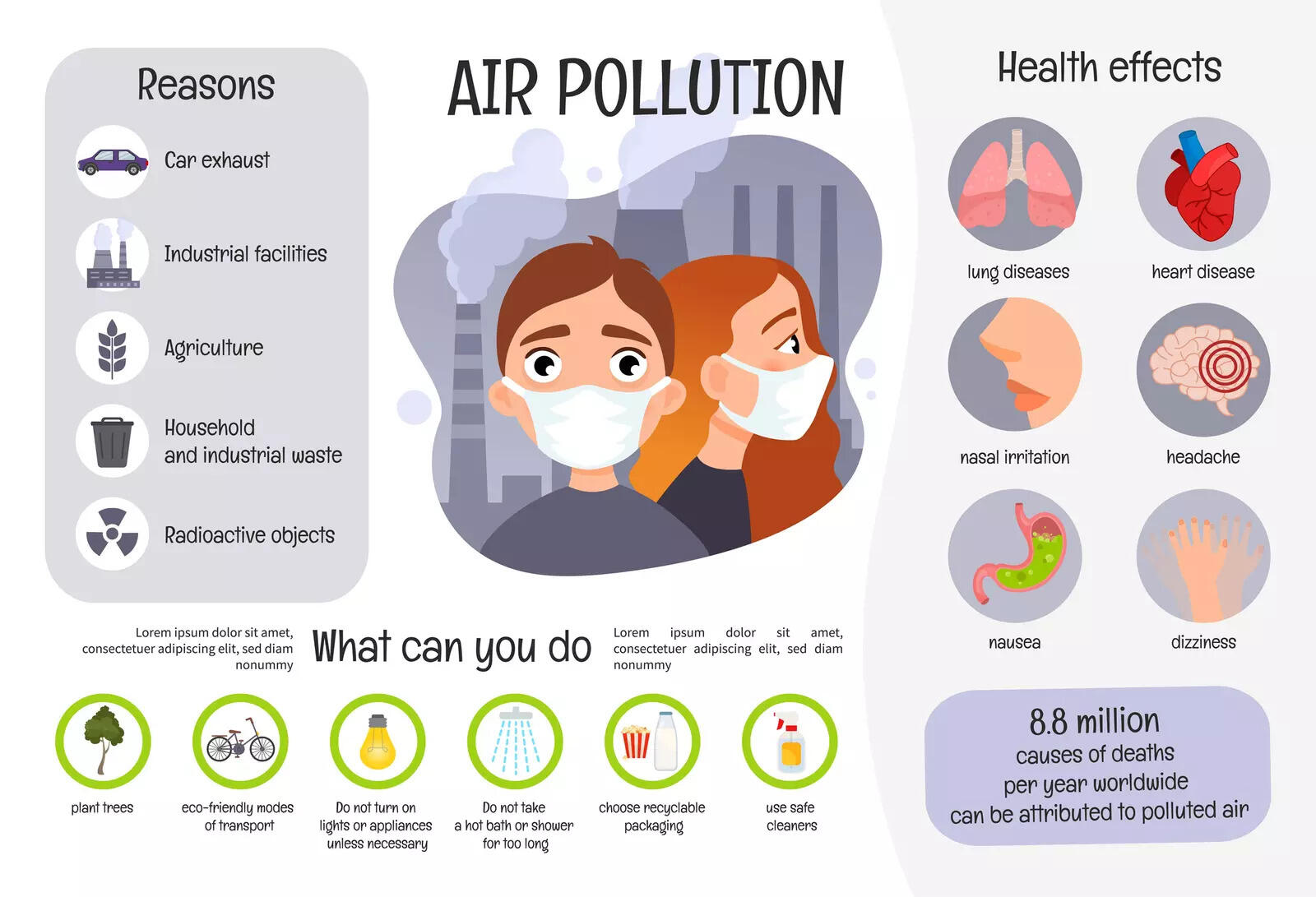
Image credit: iStock
Why do people with diabetes face sharper consequences
Diabetes changes how the body handles stress. High pollution levels add oxidative stress, which the body of a person with diabetes already fights daily.This can:
- Narrow blood vessels faster
- Slow the healing of lung tissue
- Reduce the ability to fight infections
- Trigger higher blood sugar due to inflammation
During high-pollution weeks in Delhi and NCR, diabetics report breathlessness, persistent cough, fatigue and sudden glucose swings. Even mild respiratory infections last longer because the lungs take more time to repair.A lesser-known risk is that pollution weakens the tiny muscles that help push air in and out of the lungs. For diabetics with long-term nerve damage, this combination makes breathing feel heavy even at rest.
Heart patients experience the impact in minutes, not days
For people with heart disease, polluted air behaves like a “silent accelerator.” Fine particles enter the blood and irritate the inner lining of arteries. This can tighten the vessels, raise blood pressure and force the heart to beat harder.It is generally warned that when AQI crosses 300, the risk of chest discomfort, irregular heartbeat, sudden spikes in blood pressure, and fluid buildup increases sharply.What makes this dangerous is that the symptoms may start gradually. A simple “heaviness in the chest” during a morning walk can turn into a medical emergency by evening because the heart is already compromised.
People with pre-existing illness like diabetes and heart disease has increased risk of respiratory illness especially in Delhi NCR region due to the worsened AQI and fall in temperature. Patients with pre-existing illness like diabetes and hypertension heart disease are more vulnerable due to the reduced immunity in diabetic patients and heart disease patients are more vulnerable due to the fluid overload state. Increased pollution and worsened AQI causes cough, regular throat irritation, shortness of breath in particularly in people with the pre-existing illness should watch for these precautions like wear the face mask whenever you go outside of the of your house and use of the air purifier inside the home and take regular prescribed medications and avoid smoking and alcohol consumption particularly in this season when the AQI is very high.Dr Gaurav Gupta, Consultant-Pulmonolog, Yatharth Super Speciality Hospital Faridabad
Here are some practical actions supported by doctors in metro hospitals:
- Switch activity hours: Lungs handle pollutants better after sunrise when humidity drops. Early mornings carry trapped pollutants from the night.
- Practice the “15-minute rule”: Every 15 minutes outdoors on a poor AQI day should be followed by 5 minutes indoors to let breathing settle. This prevents cumulative strain.
- Use micro-ventilation: Instead of opening windows wide, open them one inch for 10 minutes three times a day. It reduces indoor pollutant buildup without letting in the full outdoor load.
- Keep a warm throat: A warm scarf reduces cold air shocks that can trigger spasms in sensitive airways.
- Drop intensity, not movement: Heart and diabetes patients can switch to low-impact indoor workouts such as step marching, stationary cycling and slow-flow yoga to keep circulation steady without stressing the lungs.
What people with diabetes and heart disease should watch for right now
Small symptoms matter during high-pollution weeks. The following signs need attention:
- Breathlessness that comes earlier than usual
- A cough that lasts beyond three days
- Sudden fatigue by noon
- Unusual sleepiness or morning headaches
- Rising blood sugar without changes in diet
- Chest tightness after routine tasks
Doctors say the most important step is early correction. A small rise in blood pressure or glucose during pollution peaks can quickly snowball because the body is already inflamed. People who use inhalers or heart medications should keep them accessible and avoid skipping doses, even on “better” days.Disclaimer: This article provides general information based on government data and expert observations. It is not a substitute for medical advice, diagnosis or treatment. People with existing medical conditions should consult their healthcare provider for personalised guidance during high-pollution periods.