
How electricity ended biphasic sleep, the two-night routine humans followed for centuries |
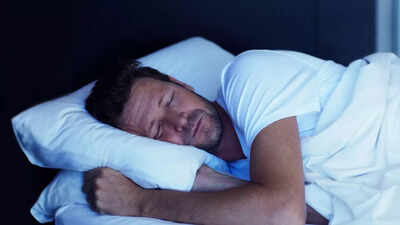
For hundreds of years, night didn’t mean a long sleep. Long before electric lights lit up homes and streets, people lived their lives according to the natural rise and fall of daylight. People changed their routines when the Sun went down and darkness came quickly. Historical records indicate that in various regions of Europe, Africa, and Asia, individuals frequently engaged in two distinct phases of sleep, a phenomenon now referred to as biphasic sleep. This was not a strange habit or cultural quirk. It was a normal part of life that was made by darkness itself.People would go to bed soon after the sun went down, wake up on their own in the middle of the night, and stay awake for a short time before going back to sleep until morning. People used that quiet time to do things like check on their animals, read by candlelight, pray, or talk to family members. For hundreds of years, this two-part night routine was the norm. But as artificial lighting became more common, it changed how people experienced night and time itself.
How ancient people slept twice at night
The idea of a pause in the night might sound odd now. But as cited in ScienceAlert, the letters and diaries show people were used to it. Ancient Greek and Roman poets mentioned it casually. Homer Virgilthey wrote of “the hour that ends the first sleep.” It appears the quiet gap made nights feel less endless, as reported.Some experts say this interval shaped how people experienced time. Time had a different texture. The shift to continuous sleep happened mostly over the last two centuries. Artificial lighting, played a huge role like oil lamps, gas lights, and then electricity, allowed people to stay awake latsciencer. Suddenly, the night wasn’t just for sleeping. Studies suggest light also nudges our internal clock, our circadian rhythm. Ordinary room light before bed can delay melatonin, the sleep hormone, making our bodies less likely to wake up naturally in the middle of the night. The Industrial Revolution also pushed for a single sleep. Factory schedules, early shifts, rigid routines and suddenly eight uninterrupted hours became the goal.
Science behind ancestral sleep pattern
A 2017 study of Madagascan farmers without electricity found most still slept in two segments, rising around midnight. In labs where people live without clocks or light cues, volunteers often naturally drift back to the old rhythm. It seems the pattern is still in our biology, just suppressed in modern life.Waking in the middle of the night isn’t always a problem. Sleep experts note that brief awakenings are normal, often near REM sleep. But without the ‘first and second sleep’ mindset, those moments feel long. Anxiety, boredom, or low light can stretch minutes into what feels like hours. Cognitive behavioural therapy for insomnia (CBT-I) often recommends getting out of bed if you’re awake for 20 minutes or more. A quiet activity in dim light, then back to sleep.Nights weren’t meant to be one long block, but they were two. And in that pause, people found calm, reflection, and even connection. Perhaps waking at 3 am isn’t wrong at all. Just old-fashioned.