
Rare Hoya species discovered in Arunachal Pradesh forests for the first time in India; here’s what makes these plants special |
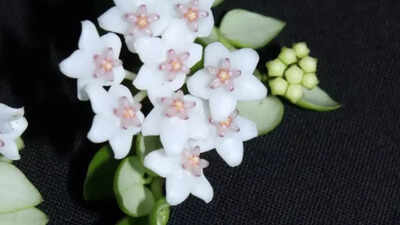
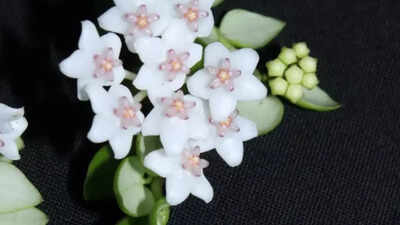
Arunachal Pradesh, celebrated for its dense forests and diverse ecosystems, has witnessed a major botanical discovery. Scientists from the Botanical Survey of India’s regional centre in Itanagar have identified two rare Hoya plant species in the state, marking a milestone in documenting its rich and largely unexplored flora. Hoya chinghungensis has been recorded in India for the first time, while Hoya acuminata is newly reported from Arunachal Pradesh. This discovery highlights the state’s remarkable biodiversity and its potential for uncovering more rare and endemic plant species. Experts emphasise the importance of conservation to protect these fragile habitats, reinforcing Arunachal Pradesh’s status as a critical biodiversity hotspot and a vital region for botanical research.
First sightings of rare Hoya species highlight Arunachal Pradesh’s botanical richness
During extensive field surveys in Arunachal Pradesh’s forested hill regions, botanists documented Hoya chinghungensis and Hoya acuminata. The former represents the first record of this species in India, making it a nationally significant discovery as reported by PTI. Meanwhile, Hoya acuminata, although known in other countries, has been recorded in Arunachal Pradesh for the first time. These findings demonstrate the state’s potential as a reservoir of rare and endemic plant species, which have remained largely hidden due to the remote and rugged terrain.The Hoya genus, often called wax plants, is celebrated for its thick, waxy leaves and distinctive star-shaped flowers. Commonly found in tropical climates, these plants are valued not only for their ornamental beauty but also for their ecological role in supporting pollinators such as bees and butterflies. Discovering new Hoya species in Arunachal Pradesh provides critical insight into the distribution of rare tropical flora in India and enhances the understanding of the country’s endemic plant heritage.
Arunachal Pradesh’s forests reveal hidden plant diversity
Arunachal Pradesh’s forests, particularly in its hilly and remote regions, remain largely unexplored. Field studies conducted by the Botanical Survey of India reveal the region’s remarkable biological diversity, with countless plant species still unrecorded. The discovery of these two Hoya species emphasises the need for systematic botanical research and exploration. It also suggests that further studies could uncover additional rare or even entirely new species, making Arunachal Pradesh a vital area for scientific investigation.As reported by PTI, Chief Minister Pema Khandu publicly acknowledged the achievement, congratulating the scientists of the Arunachal Pradesh Regional Centre of the Botanical Survey of India. He highlighted that this discovery strengthens the state’s reputation as a biodiversity hotspot and encourages greater focus on ecological research. The announcement has resonated widely within the scientific community, sparking renewed interest in field-based explorations and conservation initiatives.
Conservation implications and urgency
The identification of these rare Hoya species also carries an urgent conservation message. Arunachal Pradesh’s fragile ecosystems are increasingly under threat from deforestation, urban expansion, and unsustainable land use practices. Protecting the habitats where these species grow is essential to preserving the state’s ecological balance. Botanists emphasise that documenting and conserving rare plant species is not just a scientific pursuit but a crucial step in maintaining biodiversity for future generations.