

Does egg white really heal burn wounds? Doctors warn of deadly infection risk |

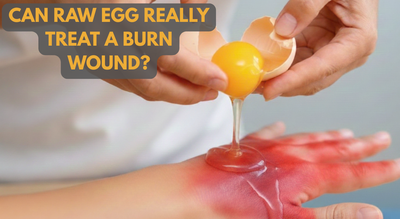
If you burn yourself in the kitchen, chances are someone in the group chat will have a “miracle” fix. Ice. Toothpaste. Butter. And increasingly, one oddly persistent suggestion: crack an egg and smear the white over the burn. On Facebook and WhatsApp, posts claiming egg whites act as a kind of “natural collagen” have been shared hundreds of thousands of times, complete with emotional anecdotes and “worth repeating” captions. The problem, burn specialists say, is that this is not just unproven – it can be dangerous.
Why putting raw egg on burns is a bad idea
In 2021, a Reuters Fact Check team investigation examined viral egg-white burn “remedies” circulating online, including one highly-shared Facebook post featuring dramatic miracle-healing anecdotes. That post, which Facebook later flagged as “False Information”, described a young man allegedly saved from pesticide burns by a neighbour applying layers of raw egg white, and another woman whose scalded hand was supposedly restored “like a baby’s skin” using the same method. They spoke to several burn experts, all of whom said the same thing: do not put raw egg on burned skin. “There is no scientific evidence to support this treatment and using egg whites can be very dangerous,” Dr Alejandro Garcia, Director of the Paediatric Burn Program at Johns Hopkins Children’s Center and Assistant Professor of Surgery at Johns Hopkins University School of Medicine, told Reuters by email. He explained: “Raw eggs may contain salmonella, which is a type of bacteria that can cause severe infections. Salmonella or other bacteria that are applied to an open wound such as a burn could lead to a local infection and potentially more severe systemic infections leading to sepsis or even death.” Dr Matthew Sztajnkrycer, an emergency medicine physician at the Mayo Clinic, made a similar point. “A major role of skin is to protect the body from infection […] Burns are very prone to infection and salmonella infection may be catastrophic,” he told Reuters. People sometimes point to a small Iranian study where an egg-white–based ointment appeared to speed healing. Sztajnkrycer stressed that this is “very different than simply placing raw egg white on a fresh burn” – it was “a very controlled study” in a specialist burn centre, with many patients “excluded due to risk factors”, and the egg white was combined with a topical antimicrobial available only on prescription. In other words, it cannot be compared to cracking a supermarket egg over your hand at home. Burn surgeon Dr Laura Johnson, at MedStar Washington Hospital Center, told Reuters that for the best long-term results people should see a burn specialist before applying anything other than water. There is “little data” on eggs for treating burns, she said, and the data that does exist is “in combination with a topical antimicrobial that can only be acquired with a prescription”, which is what reduces infection risk. There is also the basic allergy issue. Egg is a common allergen; putting raw egg white directly onto broken skin can trigger immediate – and sometimes severe – reactions in people who are sensitive, on top of the infection risk.Also read: Why applying flour (aata) on burns is dangerous The bottom line from the fact-check was blunt: several burn experts told Reuters that applying egg white to burns is not recommended because of the dangerous risk of bacterial infection. Flour has been debunked in a similar way; Reuters previously dismissed claims that dipping a burn in flour helps it heal.
What major health bodies say you should do for minor burns
On the medical side, the advice is remarkably consistent. Guidance from the World Health Organization, the US National Institute of General Medical Sciences and the Mayo Clinic all say essentially the same thing:
- Cool the burn with cool running water (not ice) for around 20 minutes to reduce the temperature of the tissue.
- Once cooled, you can apply a simple moisturising lotion such as aloe vera gel or an over-the-counter antibiotic ointment.
- Cover the area loosely with a clean, non-fluffy bandage or dressing.
That is the basic first-aid response for minor burns. Everything else – egg whites, toothpaste, butter, mayonnaise, mustard, cooking oil – either traps heat, introduces bacteria or irritates damaged skin. Understanding what counts as a “minor” burn is important. In simple terms:
- First-degree (superficial) burns affect only the outer layer of skin. They are red, painful, may swell slightly and then peel as they heal. Mild sunburn is a good example. With proper care, they usually heal within about a week without scarring.
- Second-degree (partial-thickness) burns go deeper, into the next layer of skin. Superficial partial-thickness burns blister, look red and wet and are very painful. Deeper partial-thickness burns can look blotchy red-and-white and may hurt less to light touch because nerve endings are damaged – but they take longer to heal and are more likely to scar.
- Third-degree (full-thickness) burns destroy all layers of the skin and sometimes tissue beneath. The skin may look white, brown or charred, and sensation can be reduced. These are medical emergencies.
You can usually manage a very small, first-degree burn at home, or a tiny superficial second-degree burn that is not on the face, hands, feet, genitals or a major joint. Anything larger than the size of your palm, or affecting those sensitive areas, needs proper medical assessment. You should seek urgent medical help if:
- the burn is large, deep, or looks white or charred
- it was caused by chemicals or electricity
- it affects the face, hands, feet, joints or genitals
- there are signs of infection as it heals – increasing pain, swelling, pus, foul smell or spreading redness
- the person is a child, older adult, or has conditions like diabetes that affect healing
At home, once you have cooled the area and covered it, you can use over-the-counter pain relief such as paracetamol or ibuprofen to help manage discomfort, and keep the burned skin out of the sun; burned areas are particularly sensitive to sunlight for months afterwards and unprotected exposure can worsen scarring.
Other “kitchen remedies” that burn specialists warn against
Egg whites are just one example of a wider problem: people reaching into the fridge or bathroom cabinet for things that make a burn look or feel better in the moment, but quietly make the injury worse. Common myths include:
- Butter and oils – These feel soothing at first because they are cool, but they trap heat in the skin and slow down cooling. That can deepen the burn. Butter and some oils can also carry bacteria.
- Toothpaste – Menthol or mint can create a cooling sensation, but toothpaste is not sterile, is mildly abrasive and packs chemicals that can irritate raw skin. Rather than “drawing heat out”, it increases infection risk.
- Ice – Going straight from intense heat to intense cold can damage already-injured tissue. Ice and ice-cold water reduce blood flow to the area, which slows healing and can cause additional tissue injury. Cool, running tap water is enough.
- Mayonnaise, mustard and other condiments – These trap heat, are not sterile and have no evidence-based role in burn care. They also make it difficult for clinicians to properly assess a wound later.
- Home pastes and powders – Flour, talc or DIY mixtures can stick to the wound surface, harbour bacteria and make cleaning and assessment harder.
Burn specialists also point to a few procedural mistakes that cause problems later:
- Popping blisters – The fluid inside forms a natural, sterile cushion that protects underlying tissue. Breaking them early opens the door to bacteria and slows healing.
- Tight bandaging – Wrapping a burn tightly can restrict circulation and put extra pressure on blistered skin. Dressings should be loose and non-adherent.
- Ignoring “small” burns – Even apparently minor burns can become infected or heal badly if they are not cooled properly, kept clean and monitored over the following days.
The safest rule of thumb is simple: if a remedy comes from the kitchen cupboard, a WhatsApp forward or an unverified social-media post, do not put it on broken skin. Cool running water, simple approved topical products and timely medical advice are far more boring than a viral “egg hack” – but they are what actually protect the skin and reduce the risk of infection, scarring and long-term complications.