

When is the right time to brush your teeth: Before breakfast or after? Know what experts recommend |
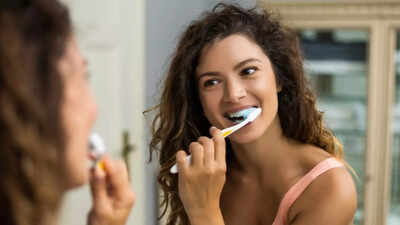

You probably move through your morning routine quickly, brushing your teeth out of habit rather than strategy, yet the timing of that simple act can shape how your enamel copes with daily acidic and sugary exposures. When you wake, you are stepping into a moment when your mouth has produced less saliva for several hours, bacteria have multiplied freely and the overall environment is slightly more acidic than at any other point in the day. Breakfast then arrives as the first major interaction between food, bacteria and enamel, and that sequence alters how vulnerable your teeth may be to softening or abrasion. Since enamel does not regenerate once lost, understanding how brushing before or after breakfast influences these biological processes gives you a clearer way to build a routine that protects your smile with minimal effort or disruption.
What the experts recommend for brushing timing
In an Instagram reel, Dr Michelle Jorgensen emphasises that brushing before breakfast is usually the safer approach because the bacteria that accumulate overnight become highly active as soon as they receive any source of sugar or carbohydrate. She notes that when you eat first, those bacteria turn breakfast sugars into acids at a rapid rate, which weakens enamel within minutes. Brushing immediately after this acid surge is where the risk lies. If the enamel has softened, the physical pressure of brushing can remove minerals or thin the protective surface in ways that, over time, contribute to sensitivity or erosion. Her practical solution is simple: brush before breakfast so that bacteria are reduced, fluoride is applied early and enamel is shielded before it encounters food or drink. If you strongly prefer brushing afterward, she suggests waiting around thirty minutes, particularly after acidic items such as orange juice or coffee, to allow saliva to naturally raise pH and encourage mineral redeposition.
Why you should brush your teeth before breakfast
Brushing before breakfast offers a clean slate for the mouth and gives the enamel a layer of fluoride before it faces any acidic challenge. Once the thick overnight bacterial layer is removed, bacteria have fewer resources to fuel rapid acid production when breakfast begins. This reduces the strength of the acid attack on enamel, especially during the crucial first few minutes after eating. By brushing early, you also avoid brushing softened enamel later, which is a common source of gradual wear in people who consume acidic or sugary breakfasts. Fluoride from toothpaste binds readily to the enamel surface when the mouth is not yet exposed to acids, creating a protective mineral layer that helps the teeth resist damage when food is introduced. As breakfast stimulates saliva flow, this natural defence works alongside fluoride to further strengthen the enamel. For people who enjoy citrus fruits, sweet cereals or coffee in the morning, brushing beforehand can serve as a reliable anchor of protection.The benefits of brushing before you eat:
- Removes the overnight bacterial layer before it interacts with breakfast sugars.
- Allows fluoride to bind to enamel before any acid exposure.
- Reduces the likelihood of brushing softened enamel later.
What happens when you brush after breakfast
Brushing after breakfast appeals to many because it leaves the mouth feeling fresher and removes food residue that would otherwise linger until midday. However, this approach is strongly influenced by the acidity of the meal. Breakfast options such as citrus fruits, fruit juice, coffee, yoghurt and certain cereals can lower mouth pH quickly, weakening enamel for a short period.Research provides important context here. In a study published in Brazilian Oral Research, enamel samples were exposed to acid and examined what happened when brushing occurred immediately afterward. The findings showed that enamel softened by acid experienced considerably more abrasion when brushed too soon. The decrease in surface microhardness was also more pronounced in samples that underwent immediate brushing compared with those allowed time to stabilise. Although the enamel in the study was bovine rather than human, the pattern demonstrates a clear biological principle: enamel temporarily loses hardness after acid exposure, and brushing during this softened phase can increase wear.Because saliva needs time to buffer acids and restore minerals, brushing instantly after a high-acid meal can interfere with this repair process. A waiting period makes the post-breakfast approach significantly safer, especially for individuals who frequently consume acidic foods or have early signs of enamel erosion or sensitivity. During that period, saliva raises pH, rehardens enamel and prepares the teeth for brushing without unnecessary abrasion.Effects of brushing after breakfast:
- Works well when breakfast is low in acid and
brushing technique is gentle. - Can increase enamel wear if done too soon after acidic foods or drinks.
- Becomes safer when you wait around thirty minutes for enamel to reharden.
When should you brush your teeth
The decision ultimately depends on your typical breakfast, your enamel condition and your comfort preferences. If your morning meal frequently includes acidic or sugary items, brushing before breakfast gives you the most consistent protection. You enter the meal with reduced bacteria, stronger enamel and a fluoride coating already in place. If you prefer brushing after eating because the freshness lasts longer, adopting a twenty to thirty-minute wait allows your enamel to recover enough to withstand brushing safely. People with erosion, sensitivity or weakened enamel may find the pre-breakfast routine more dependable, while those with low cavity risk, a neutral breakfast and a gentle brushing style may comfortably brush afterward without negative effects.Either approach benefits from supportive habits that strengthen enamel and reduce abrasion.Safe brushing tips:
- Use a soft-bristled toothbrush and gentle circular motions to limit abrasion.
- Rinse your mouth with water after eating if you plan to delay brushing.
- Avoid brushing immediately after acidic items such as citrus, juice or coffee.
- Use fluoride toothpaste to support remineralisation no matter which timing you choose.
Disclaimer: This article is for informational purposes only and should not be considered medical advice. Please consult a healthcare professional before making any changes to your diet, medication, or lifestyle.Also Read | From fatigue to blurry vision: These health problems may be early signs indicating diabetes