
Toe hair loss: A hidden warning sign of poor circulation, insulin resistance that doctor doesn’t want you to ignore
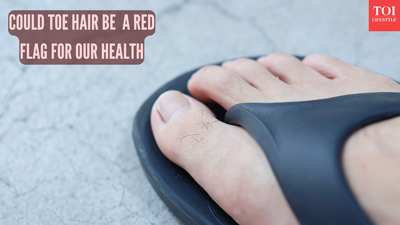
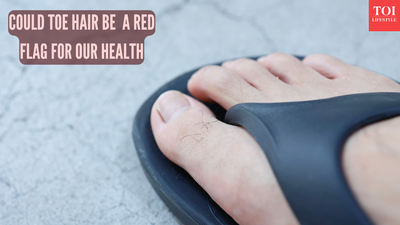
Hair growing on the toes sounds like a minor-and we don’t think much of it, if not a trivial feature, yet it serves as a surprisingly insightful window into your vascular health and metabolism. Such a minor physical trait gives crucial clues regarding how effectively blood flows into your extremities and whether basic metabolic conditions-like insulin resistance-are affecting your circulation. Dr Shraddey Katiyar, MMBS, MD shares how one simple thing such as hair toe hair can signal how well our blood circulates in the body.
Does hair growth on toes matter that much?
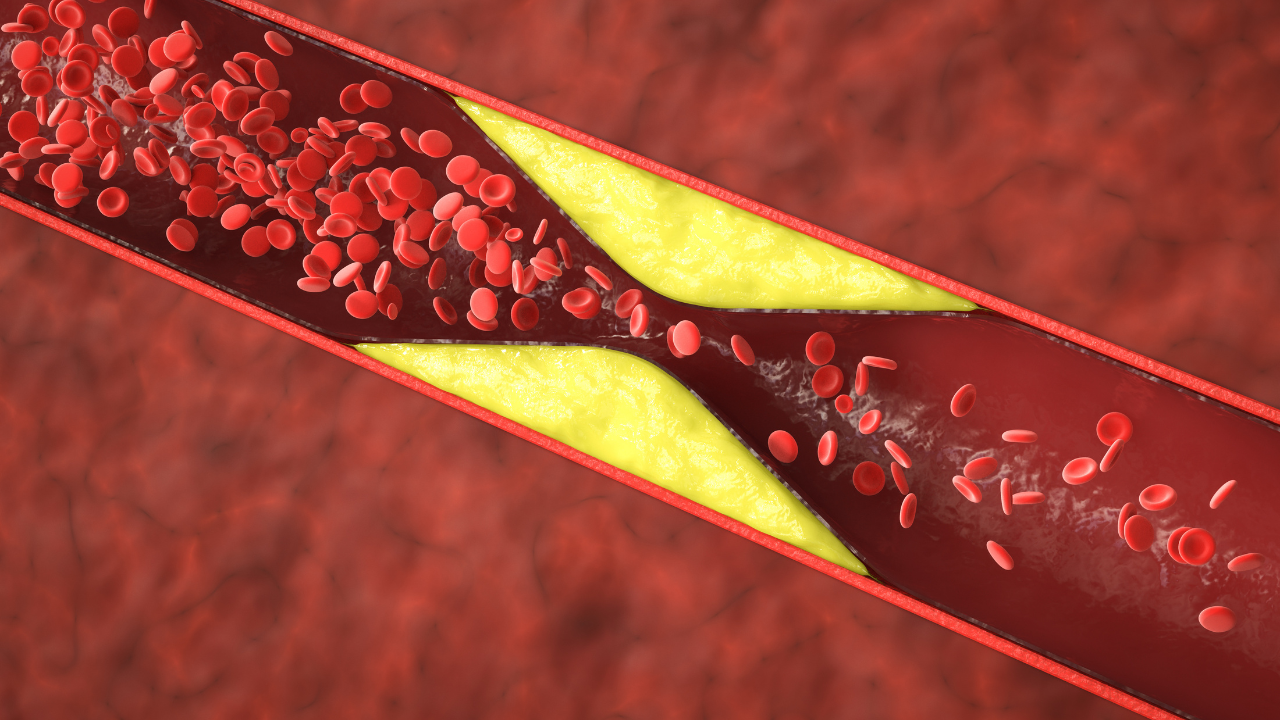
Just like anywhere else on the body, the hair follicles in the toes need a constant and solid blood supply to keep them healthy and active. Good blood circulation ensures the delivery of oxygen and nutrients to the follicles, which enables the hair to grow and sustain itself. When circulation in the feet and toes is good, healthy hair growth generally happens.Conversely, with a decrease in circulation caused either by vascular damage or constriction, hair follicles become deprived of oxygen and nutrients. Thinning, sparseness-or disappearance of hair on the toes results. Thus, good peripheral circulation is indirectly but easily manifested through healthy hair on the toes, while loss of hair there might be an early warning sign of vascular issues.
The role of insulin resistance and how it is related to vascular health
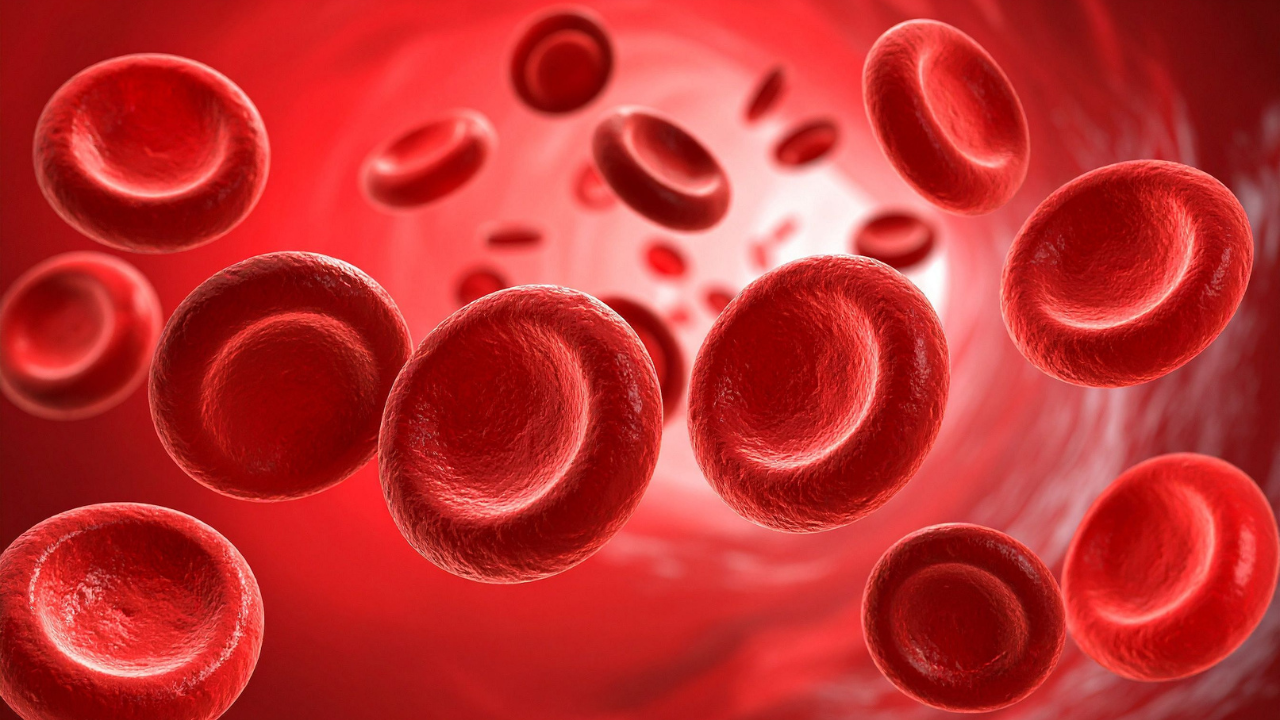
One common condition that contributes to poor circulation is chronic insulin resistance, which generally involves type-2 diabetes. Insulin resistance leads to high blood sugar and insulin levels that eventually, through inflammation and stiffness of the arteries, damage the walls of the blood vessels over time. This process leads to narrowing of the arteries and reduction of blood supply to the distal parts of the body, including the toes.With impaired circulation, the hair follicles receive less oxygen and other nutrients vital to their survival, which stimulates gradual hair loss over the toes and feet. This vascular deterioration constitutes one of the first physical signs of peripheral artery disease-with which both diabetes and metabolic syndrome are closely aligned.
Recognizing hair loss on toes as-red flag
The loss of hair on the toes, by itself, is not a diagnosis, but it is an easily observed, accessible clue into vascular health-especially in the presence of other symptoms, such as those described below. These include:Cold or numb feet and toes
- Tingling or burning sensations in the feet
- Cuts or wounds on the feet that are slow to heal
- Cramping or aching in the legs while walking (claudication )
- Shiny or pale skin on the legs and feet
When these signs are accompanied by a loss of hair on the toes, it will be wise to consult a healthcare provider. They can evaluate your circulation and metabolic markers, including blood sugar and insulin levels, so that any underlying issue is detected very early on.
Steps to protect blood circulation
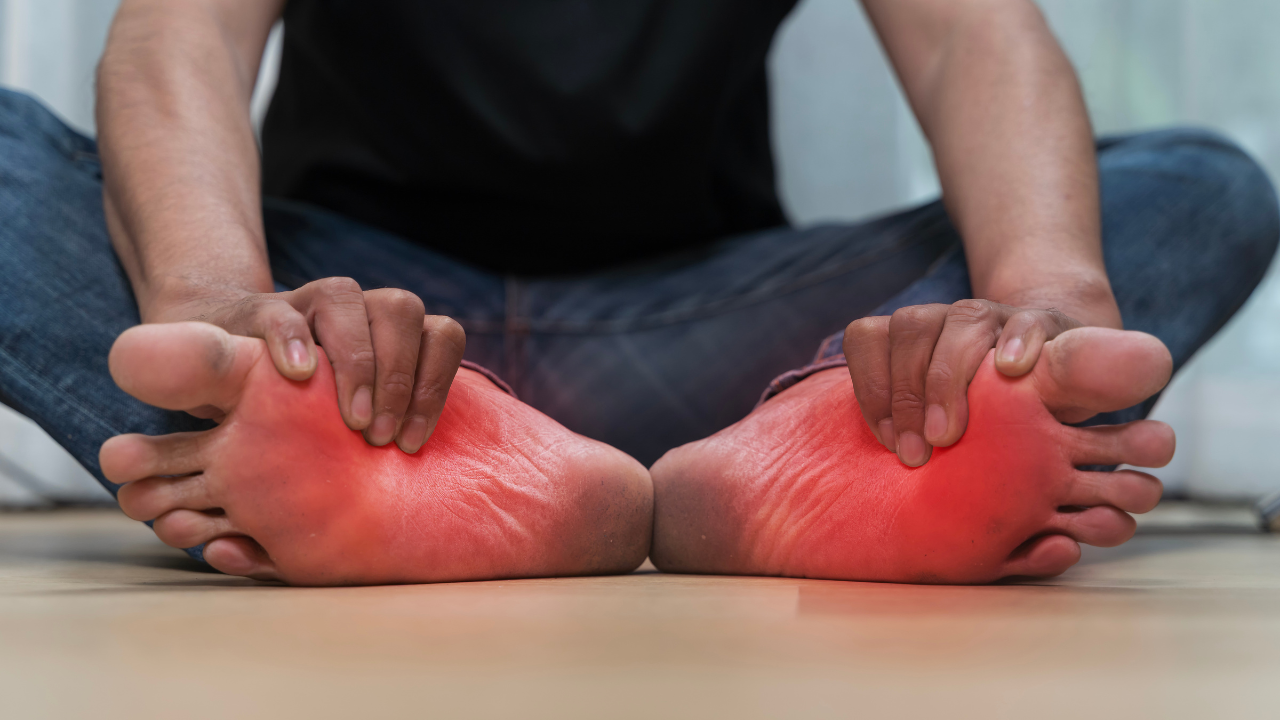
Good foot and vascular health should first start with lifestyle choices that support blood vessel function and metabolic balance. Recommendations include:Maintaining healthy levels of blood sugar through nutrition and exerciseStopping smoking, which negatively impacts blood circulation and can lead to serious arterial damageRegular physical activity to improve vascular tone and circulationControl high blood pressure and cholesterol levels to minimize further damage to the arteries.Proper foot care to prevent infection and enhance healingOur feet and toes may be telling a larger story about your general health. Whether there is hair on the toes or not is just one of the many clues at the bedside that will show how your circulatory and metabolic systems are faring. Usually, such signs are scrutinized by clinicians in cases of complication screening for diabetes or peripheral artery disease.Rather than waiting to develop severe symptoms, such as ulcers, infections-or extreme pain, paying attention to subtle signs like thinning hair on the toes allows for earlier interventions. Problems found this way can prevent the development of dangerous complications, including foot ulcers or even amputations.