

Reusing plastic bottles? 6 hidden dangers you don’t realise |
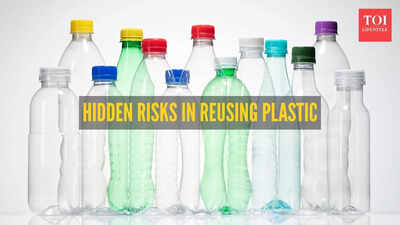
Many people refill old plastic bottles because it feels easy, cheap, and harmless. The habit looks safe on the surface, but everyday wear changes these bottles in ways the eye can’t catch. Tiny cracks form. Heat softens the material. Germs settle in the corners. And over time, a bottle that once held clean water can turn into a health risk.Here are 6 dangers that are generally unnoticed but very important to understand
Micro-cracks that trap germs
Plastic breaks down faster than people assume. Each squeeze, bag drop, or car ride creates micro-cracks too small to see. These cracks hold moisture, and moisture feeds bacteria. A study from 2024 found that reused plastic bottles can carry more surface bacteria than a toilet seat when washed irregularly. This build-up doesn’t always change taste or smell, so it often goes ignored.
Heat pushes chemicals into the water
A bottle left in a hot car or near a sunny window softens. When that happens, chemicals used in the plastic can move into the water at higher levels than usual. Heat acts like a booster. People refill and forget the bottle in a gym bag or scooter storage box, where temperatures rise quickly during the day. Even short exposure adds stress to the material.
Scratches make cleaning harder
Most reused bottles carry thin scratches inside the walls. These scratches hold dirt and biofilm that regular rinsing fails to remove. Soap helps but doesn’t fix the problem fully, because the scratches grow over time. When a bottle becomes hard to clean, it becomes hard to trust.
Odour bacteria multiply faster
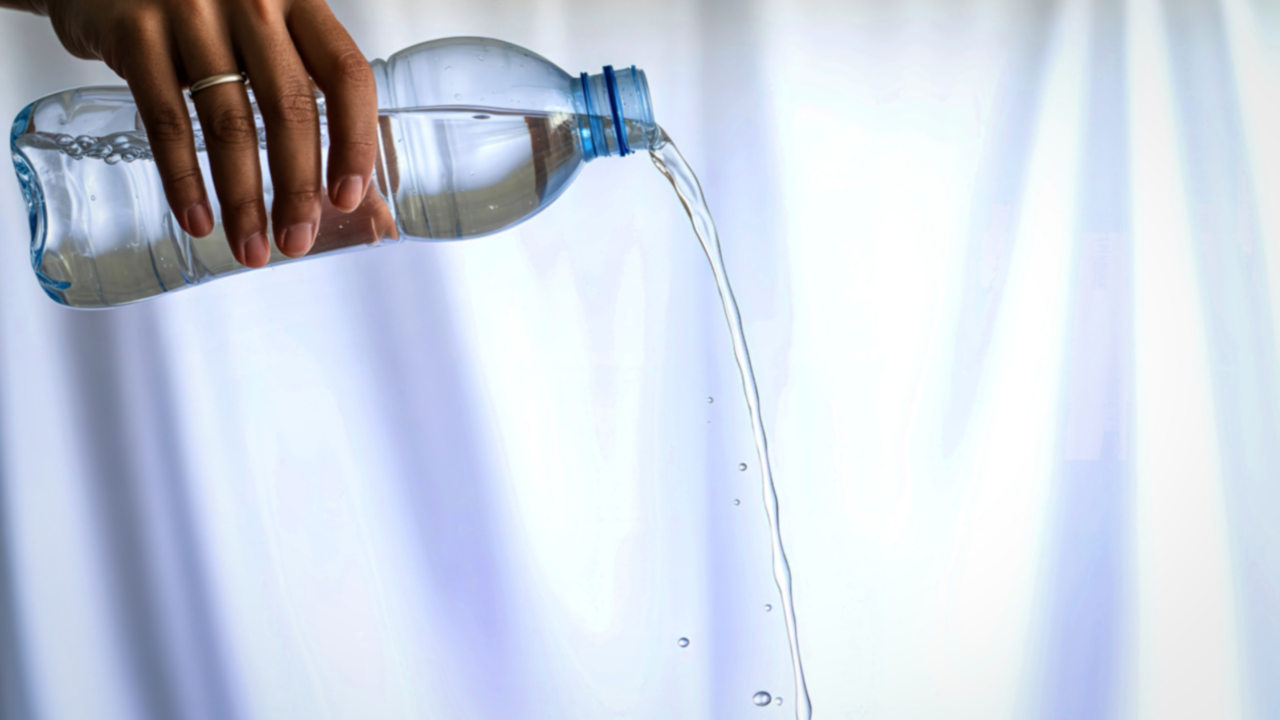
Some bacteria thrive in moist, enclosed spaces. A reused bottle provides both. Even when a bottle looks clear, odour-producing bacteria can sit in the lid ring and threads. These are the areas people rarely scrub well. The smell shows up only when the bacteria reach a high load, and by then, the bottle has already carried them for days.
Single-use plastics wear out quickly
Most disposable bottles are made for one-time use. They use thinner plastic that loses strength within days of regular handling. The plastic weakens at the base and rim, which increases the risk of leaching. The bottle may still look fine, but the structure becomes unstable. That instability changes how the bottle reacts to pressure, heat, and cleaning.
Mould forms in the tightest corners
Caps, flip tops, and grooves hold a surprising amount of moisture. When a bottle stays damp between uses, mould can set in. It starts with thin, invisible layers and grows quietly. Many people mistake the early taste of mould for stale water. By the time a spot appears, the inside has already hosted spores for a while.Disclaimer: This article provides general health information for awareness. It should not replace guidance from qualified health professionals or environmental safety experts.