

Mouth larvae: How a small fly triggers a dangerous infection; causes, symptoms and treatment explained |
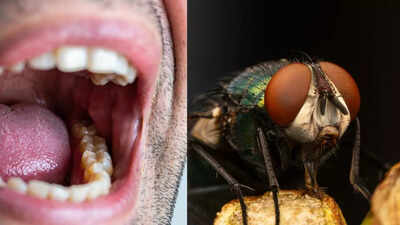
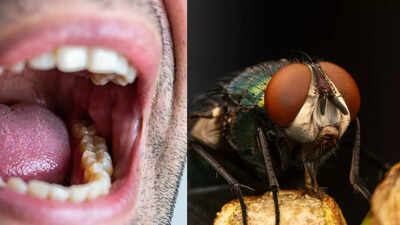
It sounds unbelievable at first, almost like something you would only hear in a late night medical documentary, but tiny flies really can turn an ordinary mouth sore into something far more serious than anyone expects. Mouth larvae, or oral myiasis as the medical world labels it, is rare, but it is not imaginary, and the whole thing usually begins with a small open sore inside the mouth that someone barely pays attention to. Flies notice it, though. If they land at the wrong moment, the situation can shift without any warning. Larvae settle into soft tissue and quietly create trouble long before the person realises something unusual is happening.A peer-reviewed case report in the British Dental Journal described oral myiasis in a patient who had a chronic mouth wound that gave flies a chance to lay eggs, and doctors had to remove the larvae surgically to stop deeper tissue damage. Many cases appear in hot or humid regions, but in reality, anyone with an untreated sore or poor oral hygiene can end up at risk if everything lines up in the wrong way.
How a tiny fly manages to trigger mouth larvae
It all begins with something simple. A mouth ulcer after accidentally biting your cheek, a cracked gum line, a healing extraction that you assume is fine, or a sore you forget about because life gets busy. When a fly comes across exposed tissue like that, especially if there is the faint smell of leftover food or infection, it may lay its eggs right there. Tiny eggs hatch into larvae, and the whole thing becomes a slow-growing problem that people often miss. These larvae feed on damaged tissue or debris trapped inside the sore, and since there is not always pain at first, days can pass without any hint that something is developing beneath the surface.
Causes that make mouth larvae more likely
Doctors explain that not everyone with a mouth sore will face this, but certain conditions increase the risk. Poor oral hygiene is a major factor because unclean tissue and food particles become a natural magnet for flies. Chronic gum disease, long standing infections, untreated dental wounds and deep ulcers all add to the risk. Elderly people, bedridden patients or anyone struggling to clean their mouth properly may be more exposed simply because flies have easier access. Add warm weather, humidity or crowded living conditions, and the risk goes up again. It is never just one thing. It is usually several small factors building quietly together.
Symptoms that appear when the mouth larvae start growing
Most people do not notice anything dramatic at first. A slight crawling sensation under the gums or tongue, something that feels off but not necessarily painful. Some report bad breath that refuses to go away no matter how often they brush. As larvae grow and shift, pale worm like shapes may appear around the edges of the sore. Swelling, irritation, bleeding in small areas or a gentle buzzing sensation under the tissue can show up next. In more advanced cases the sore begins to look wet, larger than before, almost as if something inside is preventing it from healing. Pain arrives later, which is why early signs slip past unnoticed.
Prevention tips that stop mouth larvae before it begins
Most prevention relies on simple everyday habits rather than anything complicated. A clean mouth is the strongest defence. Regular brushing, flossing and rinsing clear away the debris that draws flies. Any sore or wound should be watched, and if it starts to look worse instead of improving, it deserves attention instead of being ignored. In humid or hot places it helps to cover food, keep living areas clean and avoid letting flies settle around the home. People caring for elderly or bedridden individuals should clean the mouth gently and consistently because immobility makes it harder for them to protect themselves. Small routines can genuinely stop a problem that sounds dramatic but begins quietly.
Treatment options when mouth larvae are already present
When mouth larvae are discovered, treatment usually starts with carefully removing them. Doctors often take them out one at a time using fine tools, then clean the affected area thoroughly to stop infection from spreading. If bacteria have already moved in, antibiotics are prescribed. In cases where larvae are deeper or more stubborn, medications like ivermectin may help clear the remaining ones. Most people heal well once everything is removed, though follow up checks are needed to make sure the tissue repairs properly. Long term recovery depends on fixing the original cause, whether it was hygiene, a neglected sore or something else that allowed the infestation to begin in the first place.Disclaimer: This content is intended purely for informational use and is not a substitute for professional medical, nutritional or scientific advice. Always seek support from certified professionals for personalised recommendations.Also read| Why your appetite changes on your period and what your hormones are trying to tell you