

Benne dosa recipe: How to make soft, buttery Bangalore-style dosa at home |
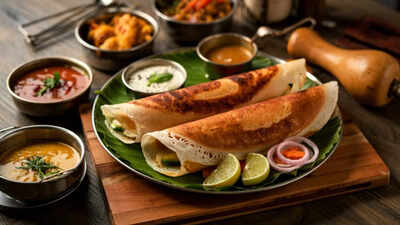
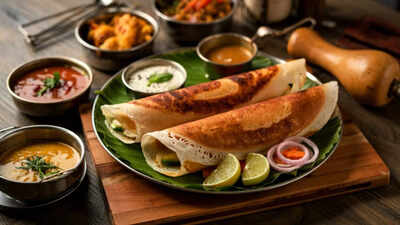
Benne dosa is not just another dosa. It is a mood. Anyone who has eaten it at an old darshini in Bangalore knows the smell hits first, long before the plate arrives. Butter sizzling on a hot iron tawa, dosa edges turning crisp, the centre staying soft, and that unmistakable richness that comes from using far more butter than feels sensible. Benne dosa is indulgent, unapologetic, and deeply comforting. It is not meant to be light or diet friendly. It is meant to be enjoyed slowly, usually with coconut chutney and a ladle of saagu or potato curry on the side. Making it at home is possible, but it helps to understand that this dosa behaves differently from the thin, crisp ones most people are used to.
Benne dosa recipe with simple ingredients and proper technique
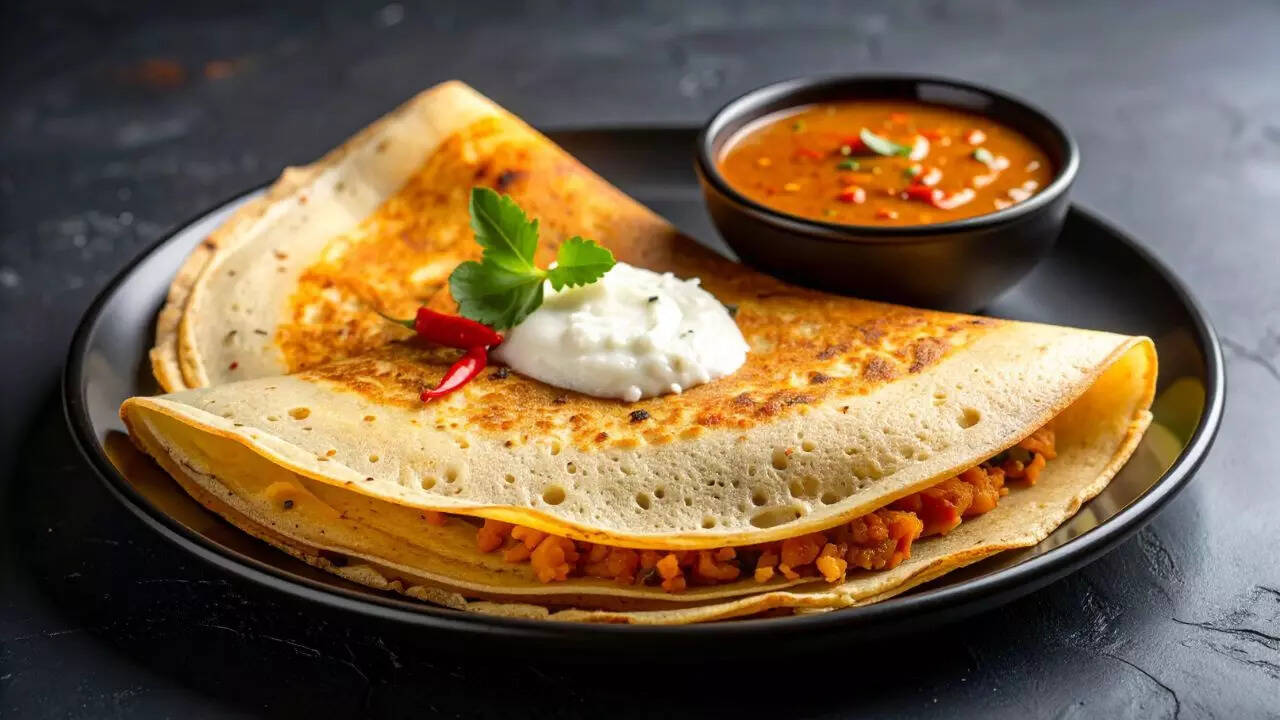
Benne dosa is thicker, softer, and richer than regular dosa. The batter needs to be slightly different, the fermentation matters more, and the cooking style is key. Below is a home-style version that comes close to the street style experience.
Ingredients for benne dosa batter
- Raw rice or dosa rice
- A small portion of parboiled rice
- Urad dal
- A little poha or cooked rice
- Fenugreek seeds
- Salt
- Butter, preferably unsalted
The combination of raw rice and parboiled rice helps achieve softness while still allowing some crisp edges. Poha or cooked rice gives the dosa that spongy centre.
Preparing the batter
Wash the rice and urad dal separately. Soak raw rice, parboiled rice, poha, and fenugreek seeds together for about five to six hours. Soak urad dal separately for three to four hours.Grind the urad dal first until it becomes fluffy and light. Add water slowly. The texture should feel airy between your fingers. Grind the rice mixture next until it becomes smooth but not too fine. Mix both batters in a large bowl. Add salt and mix gently using your hand. This helps fermentation.Cover and let the batter ferment overnight or until it rises and smells slightly tangy. The batter should be thick but pourable. Thicker than regular dosa batter.
Preparing the butter
This part matters more than people think. Benne dosa uses a lot of butter. Traditionally, white butter is used, but regular unsalted butter works well too. Melt some butter and keep some in solid form. Both will be used while cooking.
Cooking benne dosa the right way
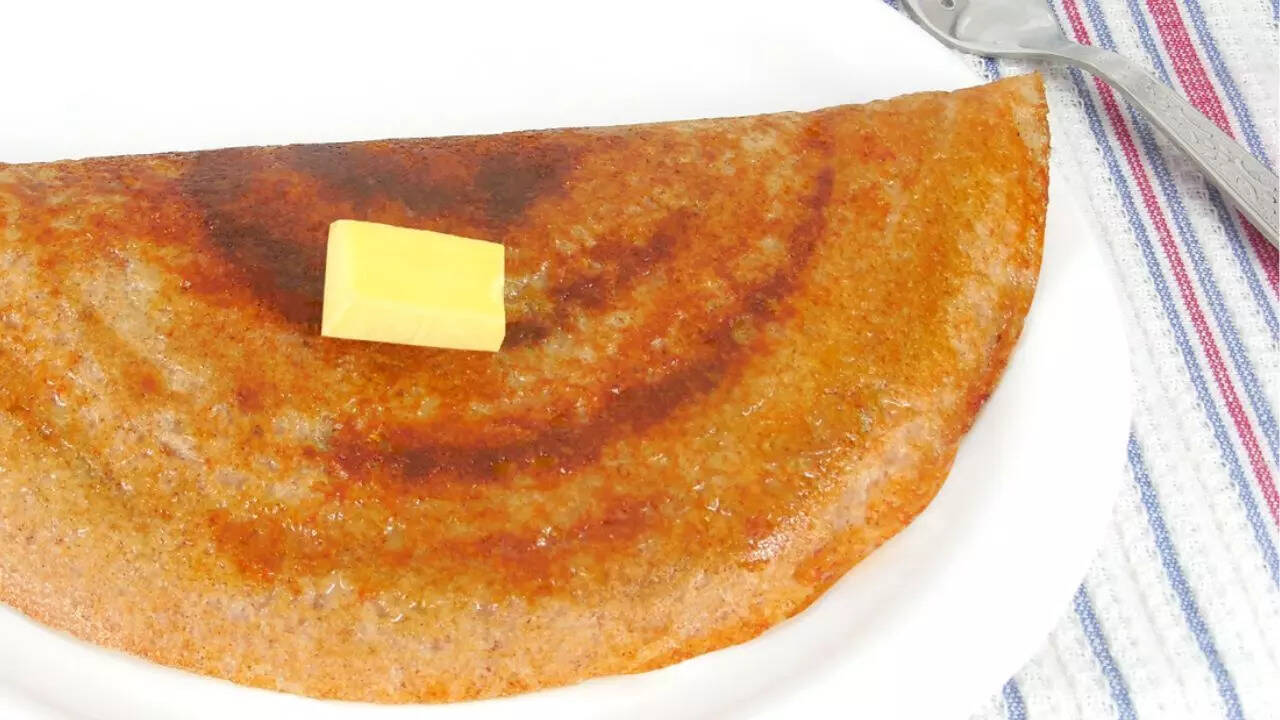
Heat a cast-iron or heavy tawa well. Once hot, lower the flame slightly. Do not grease the tawa like you would for a normal dosa. Instead, rub it lightly with butter using a cloth or paper.Pour a ladle of batter in the centre. Spread it gently in a circular motion, but do not make it too thin. Benne dosa is thicker and smaller than regular dosa.Once spread, add generous dollops of butter on top and around the edges. Let the dosa cook slowly. You will see bubbles forming on the surface. The bottom should turn golden and crisp while the centre remains soft.Do not flip unless you prefer it cooked on both sides. Traditionally, benne dosa is cooked on one side only. Fold gently and remove.Repeat for the remaining batter, adding butter each time. Yes, it feels excessive. That is the point.
Benne Dosa: Texture and taste to expect
A proper benne dosa is crisp at the edges, soft and fluffy in the centre, and rich with butter flavour throughout. It should not crack when folded. The aroma of butter should be noticeable but not burnt.If the dosa turns hard, the batter is too thin or the heat is too high. If it feels raw inside, lower the flame and cook longer.
What to serve with benne dosa
Benne dosa is usually served with coconut chutney. The chutney should be simple, slightly sweet, and not too spicy. Potato saagu or vegetable kurma also pairs well. Some people enjoy it with just butter and chutney, nothing else.
Common mistakes to avoid while preparing benne dosa
Using too little butter changes the dish completely. This is not the time to hold back. Another mistake is spreading the dosa too thin. That turns it into a regular dosa. Fermentation is also crucial. Under fermented batter gives dense dosas.Benne dosa is comfort food, not everyday breakfast food. It is meant for slow mornings, special weekends, or days when you want something deeply satisfying. Making it at home takes practice, but once you get the batter and heat right, it becomes addictive. The smell alone is worth the effort.Disclaimer: This content is intended purely for informational use and is not a substitute for professional medical, nutritional or scientific advice. Always seek support from certified professionals for personalised recommendations.Also read| 8 foods to eat if you want to slow ageing naturally and protect your body long term, according to a gut health expert