
Winter warning: 7 things you should never leave outside in freezing weather |
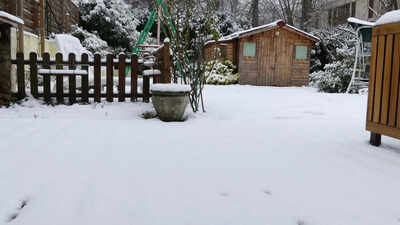
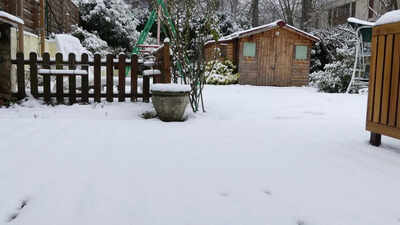
Freezing weather has a way of damaging things quietly. Nothing dramatic happens overnight. Instead, cold air mixes with moisture from rain, snow, or fog, and that moisture finds its way into places you rarely think about. Small cracks, seams, joints, hoses, and wiring. When temperatures drop, trapped water expands. Materials tighten. Some weaken without showing it. The problem often appears much later, when winter ends, and items are put back to use. That is when cracks show up, electronics stop working, or fittings begin to leak. Even items sold as outdoor safe are not always built for long stretches of freezing temperatures. Moving a few vulnerable belongings into a garage, shed, or basement before winter settles in can save money and frustration once spring arrives.
Winter can silently ruin these 7 items left outside your home
Cold weather does not treat all outdoor items equally. Some materials tolerate freezing better than others, but these items tend to suffer the most when left exposed through winter.
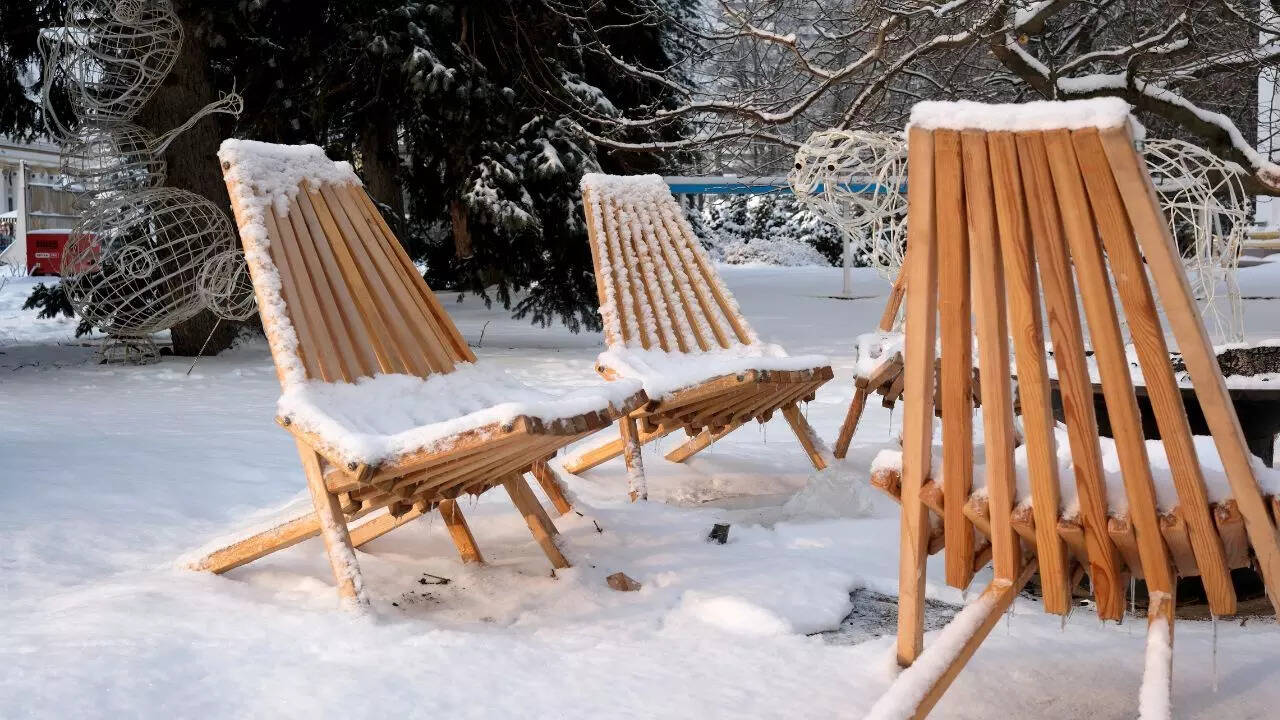
The furniture that has been left outside all winter may look okay when you first see it, but the truth comes out when you try to move it. The wood may develop cracks along the grain from the freezing and thawing cycles. Metal parts may rust where water collects, and plastic or wicker may become brittle and break when you press on it.Clay and terracotta pots absorb moisture even when they look dry. When that moisture freezes, it expands inside the material. Over time, this leads to fractures that may not be visible until the plant breaks completely in spring.Cold temperatures and condensation are hard on electronic components. Wiring, circuit boards, and screens can fail without warning. Even weather-resistant items benefit from being stored indoors once temperatures stay consistently below freezing.
- Lights and extension cords
Electrical cords stiffen in cold weather, making them easier to crack or damage internally.Indoor-rated cords should never be used outdoors in winter, as moisture and temperature changes increase safety risks.
- Cleaning products and chemicals
Freezing can also change many liquid materials permanently. Paint may separate, cleaning solutions will no longer clean, and liquids will become thicker. Granular materials can absorb water and clump together, making them unusable later on.
- Pressure washers and outdoor equipment
Water inside pumps, hoses, or tanks expands when it freezes, which may cause fittings or seals to crack. Even if you drain the water carefully, it’s hard to get all the water out of the hidden areas inside the pump or hose.
Outdoor decor and garden statues
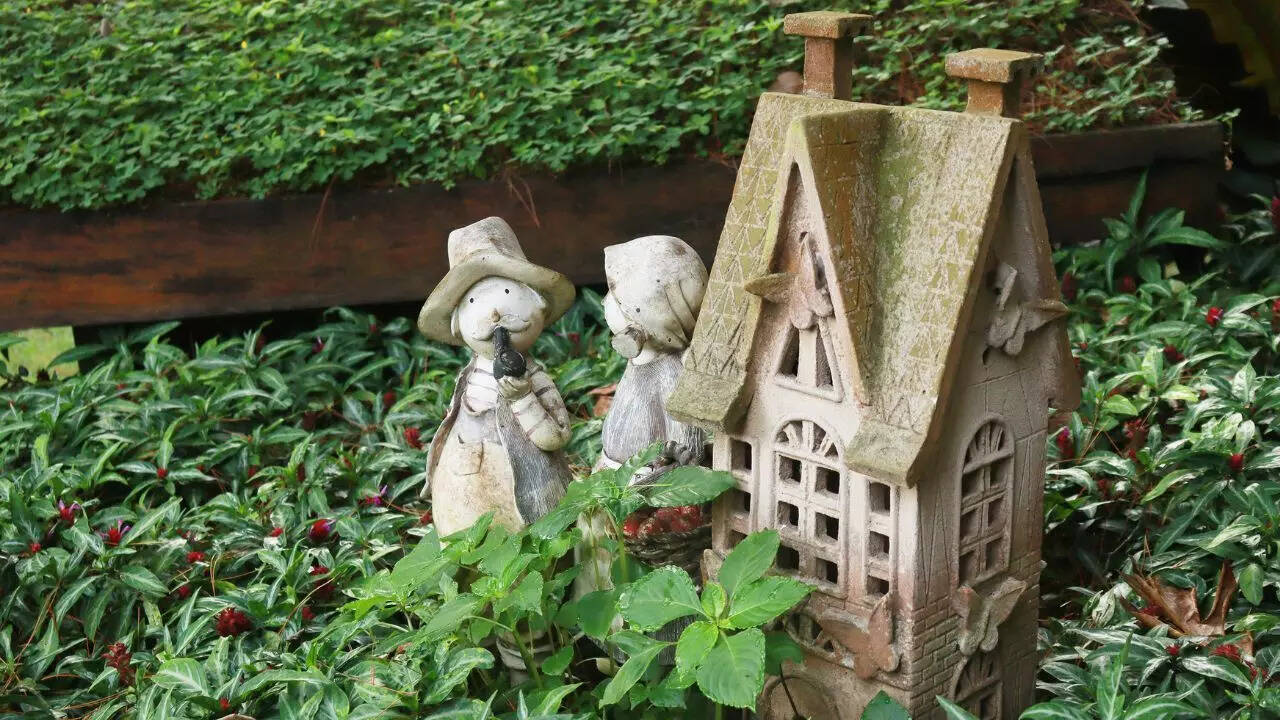
Decorative items made from ceramic, glass, or lightweight concrete often absorb moisture over time. Freezing causes internal pressure that leads to surface cracking, flaking, or sudden breakage.
What can stay outside with proper winter preparation
Not everything that’s outside needs to come in, but a little prep work for winter makes a big difference. You can leave your grills and fire pits outside as long as they’re covered to prevent rust. Drain and disconnect your rain barrels, then store them upside down. Hard outdoor toys will withstand the cold better if they’re stored in covered containers or under waterproof protection. A little planning ahead of time will save you time and trouble when the warm weather rolls around again.