

The island so full of venomous snakes that humans are barely allowed to set foot there |
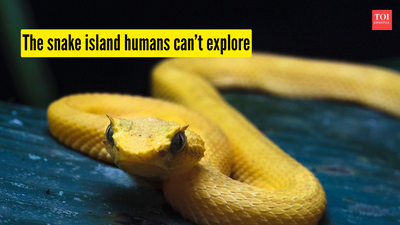
Can you imagine a place that is teeming with deadly snakes? Well, roughly 33 km off Brazil’s southeastern coast lies an island that has inspired horror stories, viral videos and breathless headlines. Ilha da Queimada Grande, also better known as Snake Island, is often described as a place where there is ‘one snake per square metre,’ and where stepping ashore means a guaranteed death sentence, and where even hard core explorers won’t dare to visit. Let’s find out more.
A snake found nowhere else on Earth
The island’s notoriety centres on a single species: the golden lancehead pit viper, scientifically known as Bothrops insularis. This critically endangered snake exists nowhere else in the world.
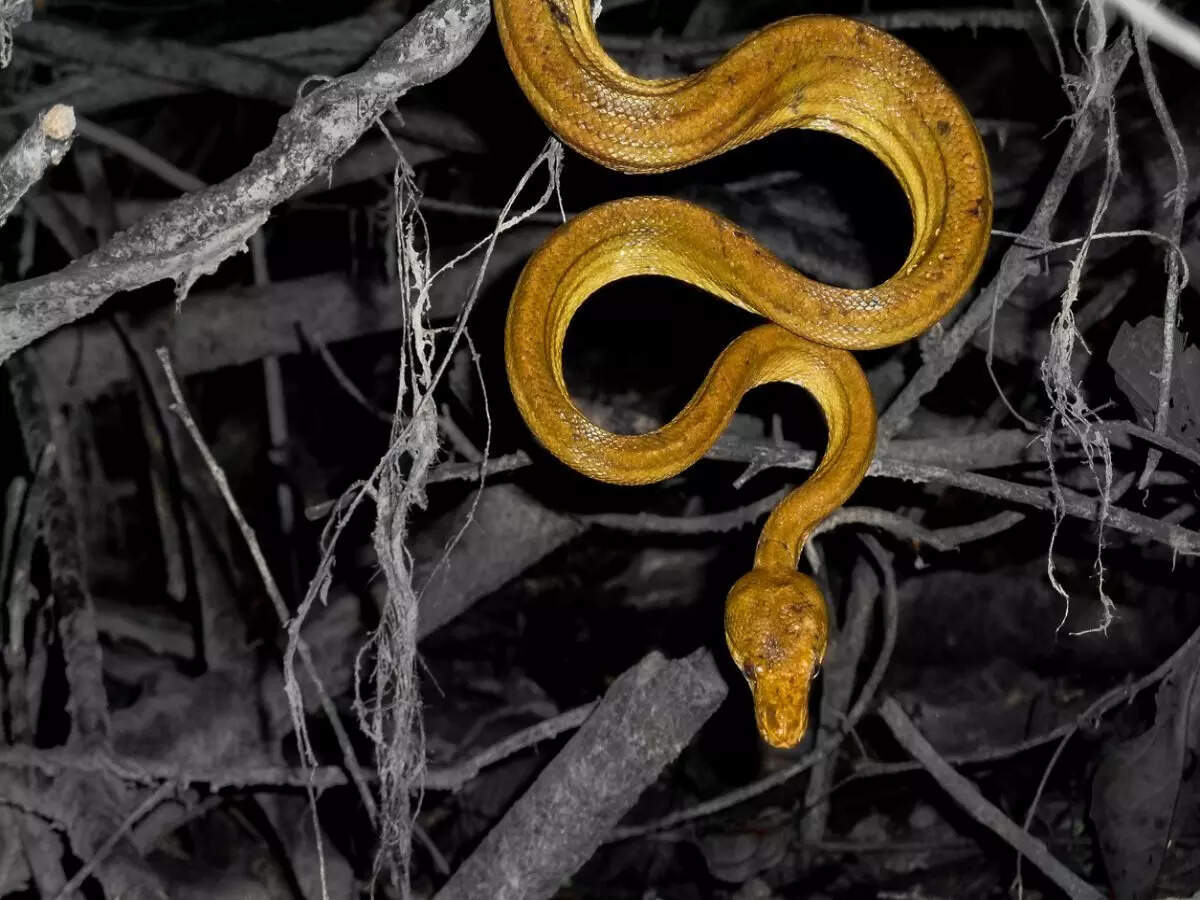
Around thousands of years ago, at the end of the last Ice Age, rising sea levels cut Queimada Grande off from mainland Brazil. A population of lancehead snakes became stranded. Isolated from predators and competitors, and from mammals in general, they evolved into a distinct species.Today, the golden lancehead is smaller than many of its mainland relatives, usually under a metre long. Its venom, however, has earned a fearsome reputation. Reports claim it is so potent that it can melt flesh and kill within minutes.Biologists who study the species opine that the venom is highly effective, but it evolved primarily to immobilise birds, not humans. And documented cases of golden lancehead bites on people are extremely rare. Read more: Guess the place: It has vending machines selling everything from eggs to umbrellas
How many snakes are really there?
For years, Snake Island was said to hold up to 430,000 snakes.More recent, systematic studies suggest something very different: estimates range between 2,000 and 4,000 golden lanceheads across the island’s 43 hectares. Interestingly, the snakes are concentrated mainly in the island’s rainforest zones rather than the rocky coastal stretches often shown in dramatic footage.Unlike mainland pit vipers that prey on rodents, the golden lancehead specialises in birds.It primarily hunts the Chilean elaenia during spring migration and the yellow-legged thrush in autumn. These migratory songbirds stop on the island to rest — and become easy targets.Curiously, Queimada Grande’s resident birds, including the southern house wren and the bananaquit, appear to have adapted behaviours that help them avoid predation. Evolution, on this island, is an ongoing prcess. The island is also home to a smaller population of Dipsas albifrons, a non-venomous species, a detail often omitted.
Why you can’t visit
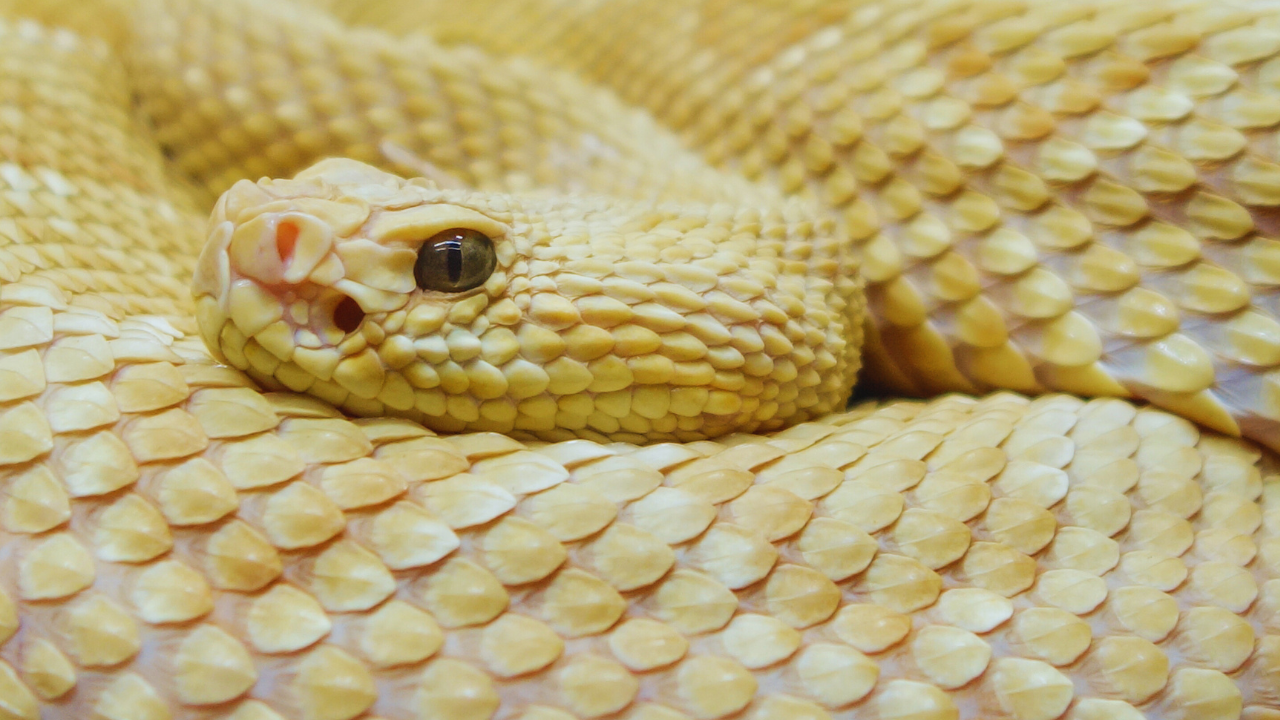
Despite the toned-down numbers, Queimada Grande remains closed to the public.The island is administered as part of the municipality of Itanhaém in the state of São Paulo. Access is restricted to the Brazilian Navy and authorised researchers vetted by the Chico Mendes Institute for Biodiversity Conservation.Officially, the ban protects human life. But conservationists argue it protects something else: the snakes.The golden lancehead is listed as Critically Endangered on the International Union for Conservation of Nature Red List. Its population is declining, partly due to illegal wildlife trafficking. A single snake can reportedly fetch tens of thousands of dollars on the black market.In that context, limiting access makes sense. A fragile ecosystem shaped by isolation could easily be disrupted by tourism. Read more: Heartwarming! Foreiger tourist caught on camera silently copying Indian performing rituals at the bank of Ganga in Rishikesh
Does Snake Island deserve its reputation?
Snake Island is dangerous, but perhaps not in the way the internet suggests. The golden lancehead is venomous. The island does contain thousands of them. And emergency medical help would be far away.Researchers describe the snakes as non-aggressive and unlikely to attack unless threatened. Queimada Grande offers a rare glimpse into how isolation shapes evolution.It is not a place for tourists. Not because it is teeming with venomous snakes, but because it is one of the few remaining homes of a species found nowhere else on Earth.