

Sober, smoky, or something in between? Why Gen Z is ditching booze but not the buzz


Image credit : Pinterest | Dry bars, zero-proof beers, curated mocktails and sober social events are gaining traction.
The end of the boozy rite of passage
Across India and globally, surveys show that young adults are drinking less and smoking more. The binge-drinking culture that once defined youth is steadily losing its shine. Social media permanence, mental health awareness, and a desire for control have made reckless intoxication less appealing. For a generation that documents everything, the fear of one drunken mistake living online forever is real.
The rise of the ‘sober curious’… sort of
The phrase “sober curious” has become a quiet flex. Some even call themselves “California sober,” meaning they avoid alcohol but may not abstain from everything else.
While alcohol consumption dips, alternatives have entered the chat. Vapes, e-cigarettes, cannabis, THC-infused drinks and traditional forms like bhang during festivals have become part of youth culture conversations. Tetrahydrocannabinol, or THC, the psychoactive compound in cannabis, is often marketed as offering a buzz without the brutal hangover.
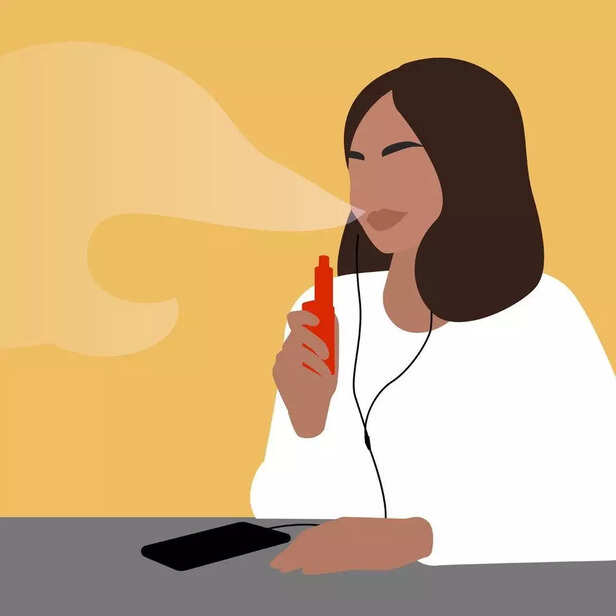
Image credit : Freepik | For Gen Z, however, alcohol is no longer compulsory. In many circles, it is optional, unfashionable, or simply “not needed.”
Several public health researchers have observed that young people today appear to be making more deliberate choices about intoxication and identity. In other words, they are not necessarily rejecting substances altogether; they are being selective about what fits their lifestyle.
A cultural shift, and not a clean break, definitely!
Dry bars, zero-proof beers, curated mocktails and sober social events are gaining traction. Not drinking no longer requires a dramatic backstory or justification. That alone marks a significant cultural shift.
At the same time, experts caution that swapping one substance for another is not inherently harmless. Reduced alcohol harm is a positive development, but the broader health implications depend on frequency, regulation and awareness.

Image credit : Freepik | oung people today appear to be making more deliberate choices about intoxication and identity.
Gen Z is clearly rewriting the script even in this field, because for them, the party has not ended. It has simply changed shape. The question now is whether this new era of “informed choices” truly prioritises long-term wellbeing, or just replaces one vice with another.