

Total lunar eclipse on March 3, 2026: How to watch the ‘Blood Moon’, when and where it will be visible, and more information |
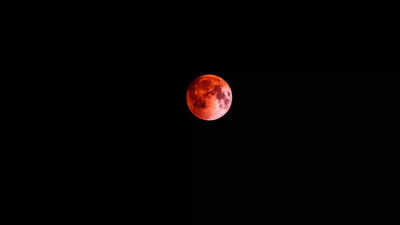
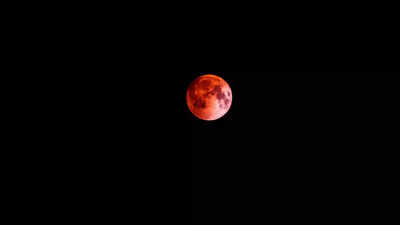
A total lunar eclipse, also called a “Blood Moon,” will happen in the sky on March 3, 2026. During totality, the Moon can look reddish. When the Earth gets in the way of the Sun and the Moon, it blocks direct sunlight from reaching the Moon’s surface. This is called a lunar eclipse. The only light that gets to the Moon during totality is filtered through Earth’s atmosphere. This is because atmospheres scatter shorter blue wavelengths more than red ones, which makes the Moon look red or coppery. This explanation of the red colour and the geometry behind the event comes from NASA’s lunar eclipse descriptions and visualisations.Total lunar eclipses are visible across a wide area of the globe, and the March 3 total lunar eclipse will be the only total eclipse of the year 2026 and the last such event until late 2028. It will be visible from large parts of Asia, Australia, North America and some of South America, with the Moon entering Earth’s shadow and the full totality phase visible at different local times depending on where an observer is located.You don’t need special eye protection to see a lunar eclipse, unlike a solar eclipse. You can see it safely with your bare eyes. You can see all parts of the eclipse without filters, from the start of the Earth’s shadow to the end of totality. However, binoculars or telescopes will enhance details on the lunar surface during the event.
What is a total lunar eclipse
A total lunar eclipse occurs only when three celestial bodies: the Sun, Earth and Moon are aligned so that Earth sits directly between the Sun and the Moon. In this configuration, Earth’s shadow falls across the Moon. The darkest part of that shadow is called the umbra, and it is during this phase that the Moon can take on a deep red colour, known as a Blood Moon.During a total lunar eclipse, the Moon first enters the penumbral shadow, where it grows slightly dimmer without much colour change. Then it moves into the umbra, where sunlight is completely blocked except for rays passing through Earth’s atmosphere, which give the Moon its reddish glow. Because this phenomenon involves only the relative positions of celestial bodies, it can be seen wherever the Moon is above the horizon at the time.
When and where the total lunar eclipse will be visible
The total lunar eclipse on March 3, 2026 will be visible across various parts of the world. Observers in Asia, Australia, North America and some regions in South America will see all or parts of the eclipse in the night sky. In Europe and Africa the eclipse may not be visible depending on local moonrise or moonset times.NASA’s eclipse visualisations and maps show how the Earth’s shadow moves across the lunar surface and where the total eclipse will be visible. These visual tools help observers plan when and where to watch, as the Moon moves from partial eclipse into totality and back again.
Why the moon turns red during a total lunar eclipse
The reason the Moon appears red during a total lunar eclipse is due to Earth’s atmosphere bending and filtering sunlight. When sunlight travels through Earth’s atmosphere on its way to the Moon, the shorter blue wavelengths are scattered more strongly, and the longer red wavelengths are bent toward the Moon. The reddish look of the eclipsed Moon comes from this scattered red light. NASA’s description of how Earth’s atmosphere interacts with sunlight during a lunar eclipse is in line with this explanation.The same thing that makes sunsets and sunrises look red is this: when the Sun is low on the horizon, sunlight has to go through more atmosphere, which scatters blue light and lets red light take over.
How to watch total lunar eclipse on March 3
You can safely watch a total lunar eclipse with your bare eyes and don’t need any special tools. You don’t need telescopes or binoculars to get the full experience, but they can help you see surface features on the Moon before, during, and after totality.For the best view:
- Pick a spot where you can see the night sky clearly and where there isn’t much light pollution.
- Find out when the moon will rise and when an eclipse will happen in your area so you know when to look up.
- Get there at least 30 to 60 minutes before totality to see how the shadow of the Earth slowly moves across the Moon.
Skywatchers should check local astronomy resources or eclipse apps for the exact times of the different phases of the eclipse because these times are different in different places.
Total lunar eclipse on March 3: Cultural and astronomical significance
People all over the world and astronomy enthusiasts have been interested in total lunar eclipses for a long time. In some places, the event may coincide with local traditions or festivals, and it offers a chance for public skywatching events and community astronomy gatherings. Reports say that the March 3 eclipse in India happens at the same time as the Holi festival, which makes people there more interested in watching celestial events.Because total lunar eclipses are visible without optical aids and occur frequently enough, they are excellent opportunities for people of all ages to learn about astronomy and the mechanics of the solar system.